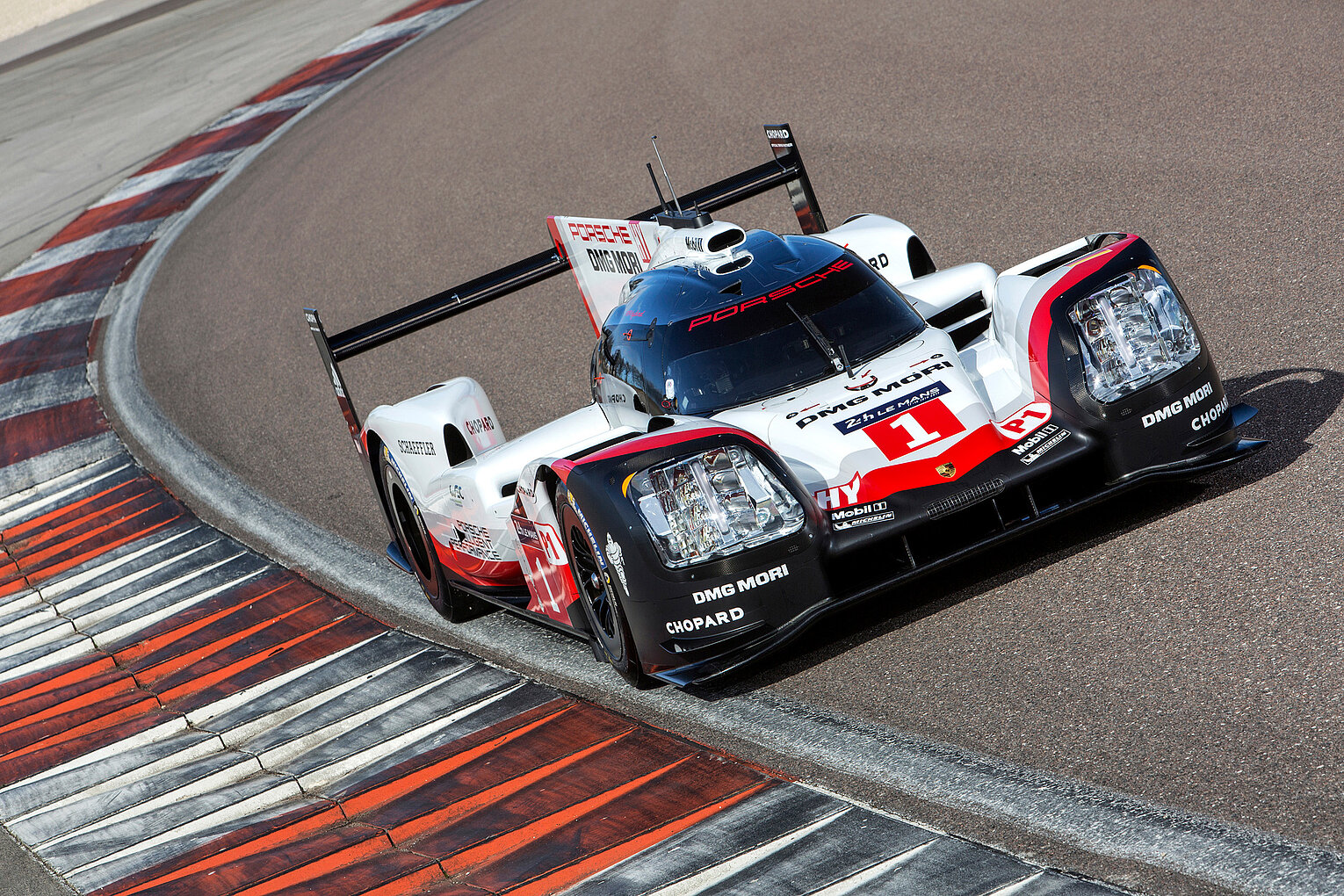
Drive solutions for e-mobility & racing
In electric drive systems, it is not the peak efficiency stated on the data sheet that matters, but rather the efficiency across the actual driving cycle – from start-up through energy recovery to high speeds. This is precisely what ATE focuses on, not nominal values.
Where ATE makes a difference in electromobility and racing

Traction & eDrive
Rotor and stator systems for traction applications, eDrive systems, and electric wheel and axle drives.
Auxiliary Drives & Thermal Management
Drive components for electric coolant and water pumps, electric air-conditioning compressors, and thermal management and hybrid functions.
Racing & Special-Purpose Vehicles
Customized rotor-stator systems and high-performance drives for motorsport, prototype vehicles and demanding special-purpose applications.
High-Performance Drives
Motor components designed for high power density, dynamic load changes and application-specific speed and torque requirements.
Customized Rotor & Stator Systems
Custom-designed rotors, stators and windings tailored to the electromagnetic, thermal and mechanical requirements of each application.
Electrified Performance Vehicles
Customized drive components and solutions for performance-oriented vehicle concepts and application-specific electrification projects.
What makes the drive task challenging
In e-mobility, the motor becomes part of a closely integrated system comprising an inverter, transmission, cooling system and vehicle architecture. Four factors determine the design.
Maximum efficiency alone is not very meaningful. What matters is efficiency across the actual driving conditions – starting, acceleration, steady-state driving, regenerative braking and high-speed driving. ATE designs its systems based on real operating points and driving cycles, not on catalogue data.
Installation space and weight are decreasing, whilst power, torque and range are increasing. The motor, inverter, transmission and cooling system are becoming more closely integrated – power density is becoming a key development criterion for highly integrated powertrains.
In racing in particular, it is not the rated power that matters, but the torque curve, responsiveness, control quality, low inertia and power delivery across the entire speed range.
As power density increases, so do the thermal requirements. The design concerns not only the motor itself, but also the interaction between the rotor, stator, windings, power electronics, cooling medium and driving profile – whether water-cooled, oil-cooled or integrated cooling.


Standard motors function as long as torque, speed range, efficiency, cooling and installation space remain within defined limits. In e-mobility, the challenge almost always arises from the combination of these factors.
High power density, compact eDrive integration, field-weakening operation, energy recovery, integrated cooling, high-voltage architecture, and motorsport or customer-specific requirements: this is when the drive system becomes a development challenge. ATE therefore does not develop standard products, but rather solutions for vehicle platforms, drive modules and high-performance applications.
How ATE approaches such tasks
Clarify requirements
Driving profile, torque, speed range, power, voltage level, load profile, cooling concept, installation space, inverter, gearbox and target component counts. The robust basis for motor designDesigning the drive
Rotors, stators and windings – as synchronous or asynchronous motors, field-weakening design, torque, direct or high-speed drives, for traction or eDrive. Depending on the project, individual components or a complete motor.Integration into the overall system
Inverters, gearboxes, shafts, cooling sleeves, sensor systems, housings, thermal management and vehicle control are taken into account at an early stage – ensuring the solution can be integrated into the overall architecture both technically and economically.Preparing for implementation
From functional prototypes through to prototypes, test benches and performance measurement, right through to series production. Development and manufacturing under one roof.What goes into this
Customized motor components for an electric performance vehicle
Initial situation: An OEM is developing a compact electric drive module for a performance-oriented vehicle platform. The requirements regarding power density, thermal management and installation space cannot be adequately met using standard components.
ATE solution: Customized rotors, application-specific stators and windings, electromagnetic design and thermal optimization, design for field-weakened operation, tailored to the inverter and cooling concept.
Result: A solution tailored to the vehicle application, offering high power density, efficient operation and seamless integration.
FAQs

Tailoring drive solutions
Are you developing a traction drive, an e-axle, an electric auxiliary unit or a high-performance application with specific requirements regarding efficiency, dynamics, installation space or thermal management?
ATE supports you in the development of bespoke rotors, stators and electric motors for e-mobility and racing – from prototype to series production.
Call us on
+49 (0) 7561-98248-286
Send us a message to
u.ertel(at)ate-system.de